A More Streamlined Way to Shop for Real Estate on a Budget
Background
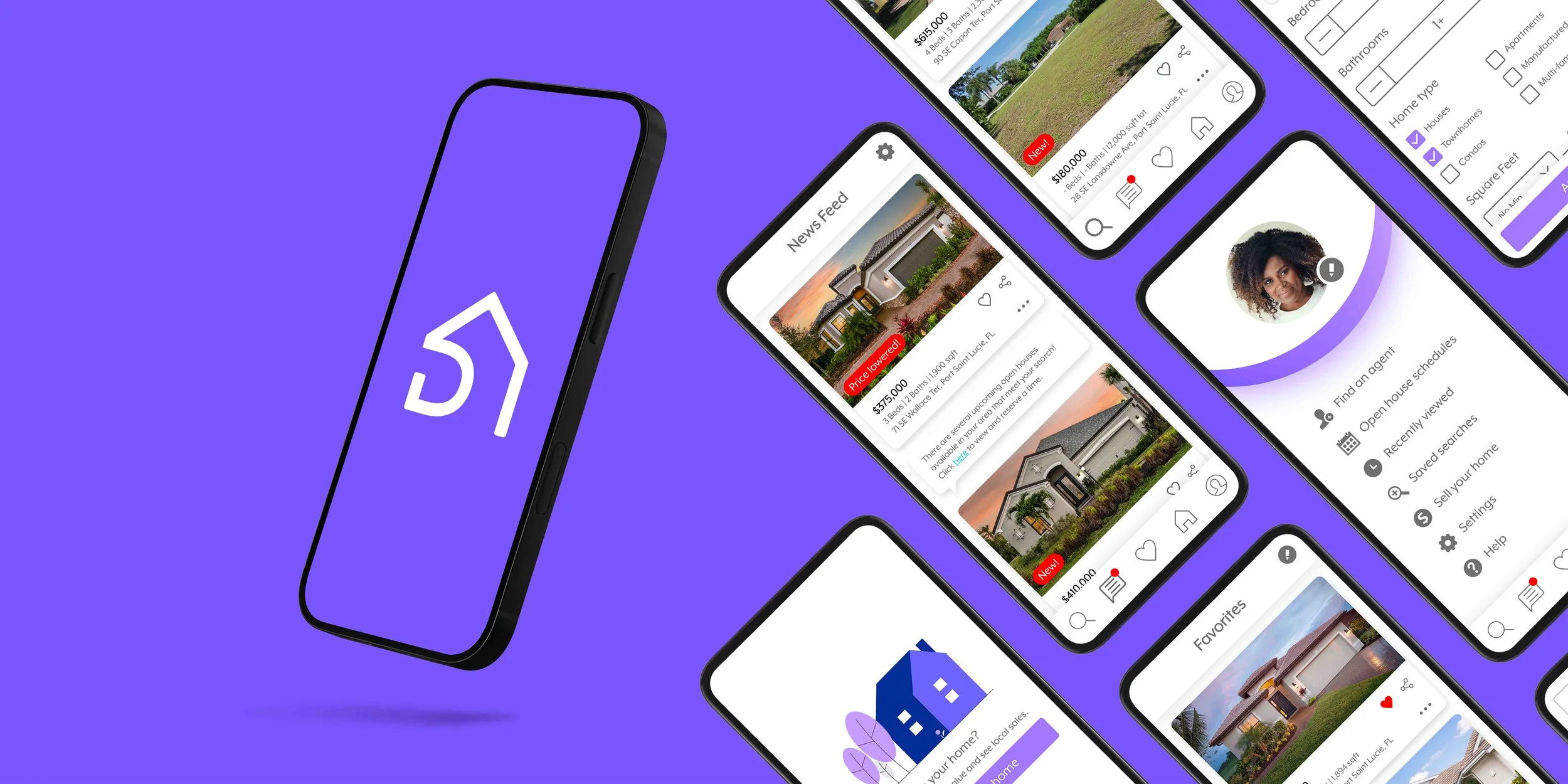
Dwelling is an app that lets users not only buy, sell, and shop for homes and apartments, but also has a UI that emphasizes renovation and remodeling. Promoting these features is great for businesses looking to flip homes for a profit or for shoppers looking to remodel to fit their budget.
Challenge
One of the challenges with many real estate apps is that they have so much information that the UI can become cluttered and less intuitive. Cleaning up the UI and making it easier to use was a priority, as well as how the UI will function based on the information found regarding the housing market.
Tools
Figma
Photoshop
Impact
App tailored for up-to-date housing market trends.
Features that improve on renovating homes, adapting to users’ budgets, and connecting with agents and brokers.
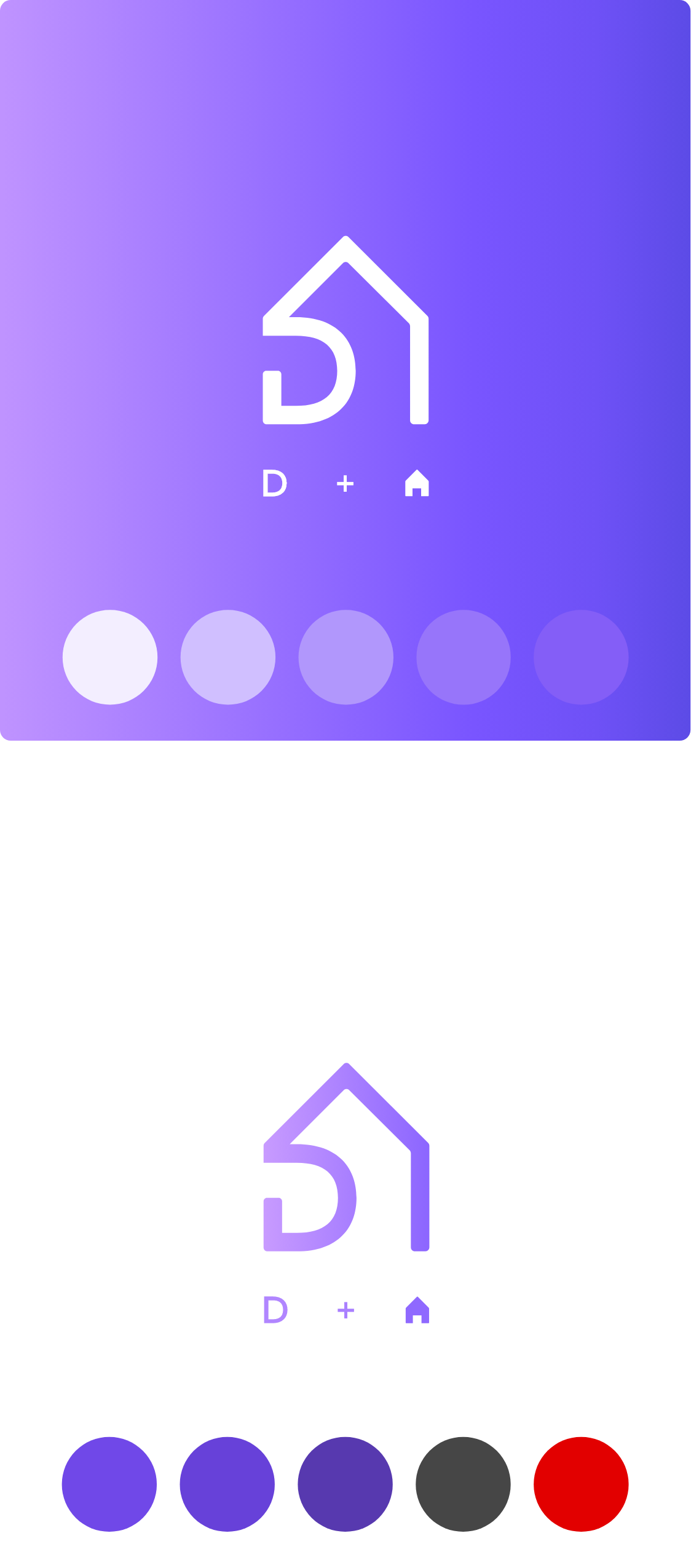
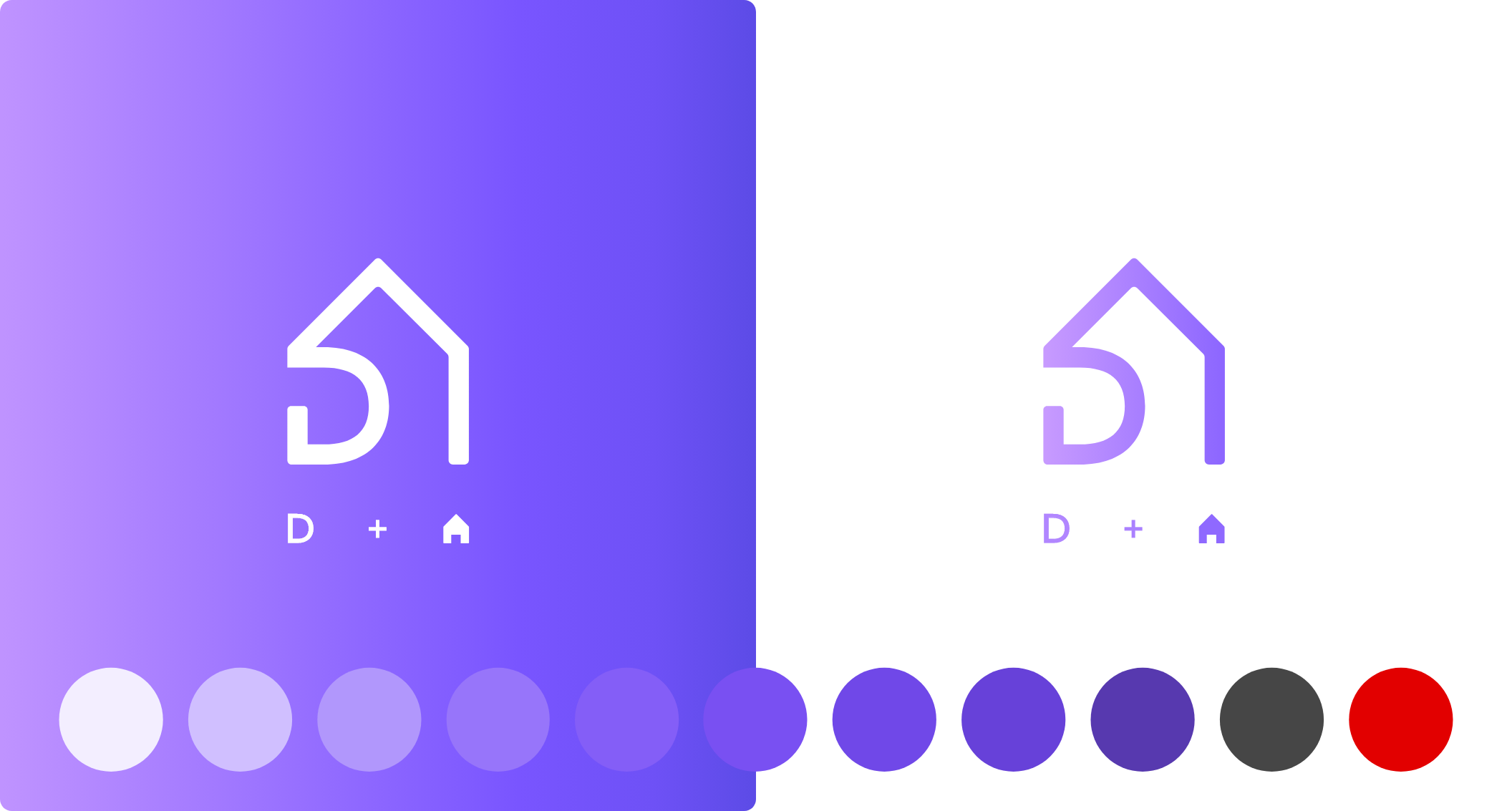
Unique logo, branding, and color scheme created to stick out from competitors.
Research
Research was conducted to assess current trends in housing markets, including home and rent prices relative to income. Understanding how much people are spending will provide valuable insights into the essential features needed for the app.
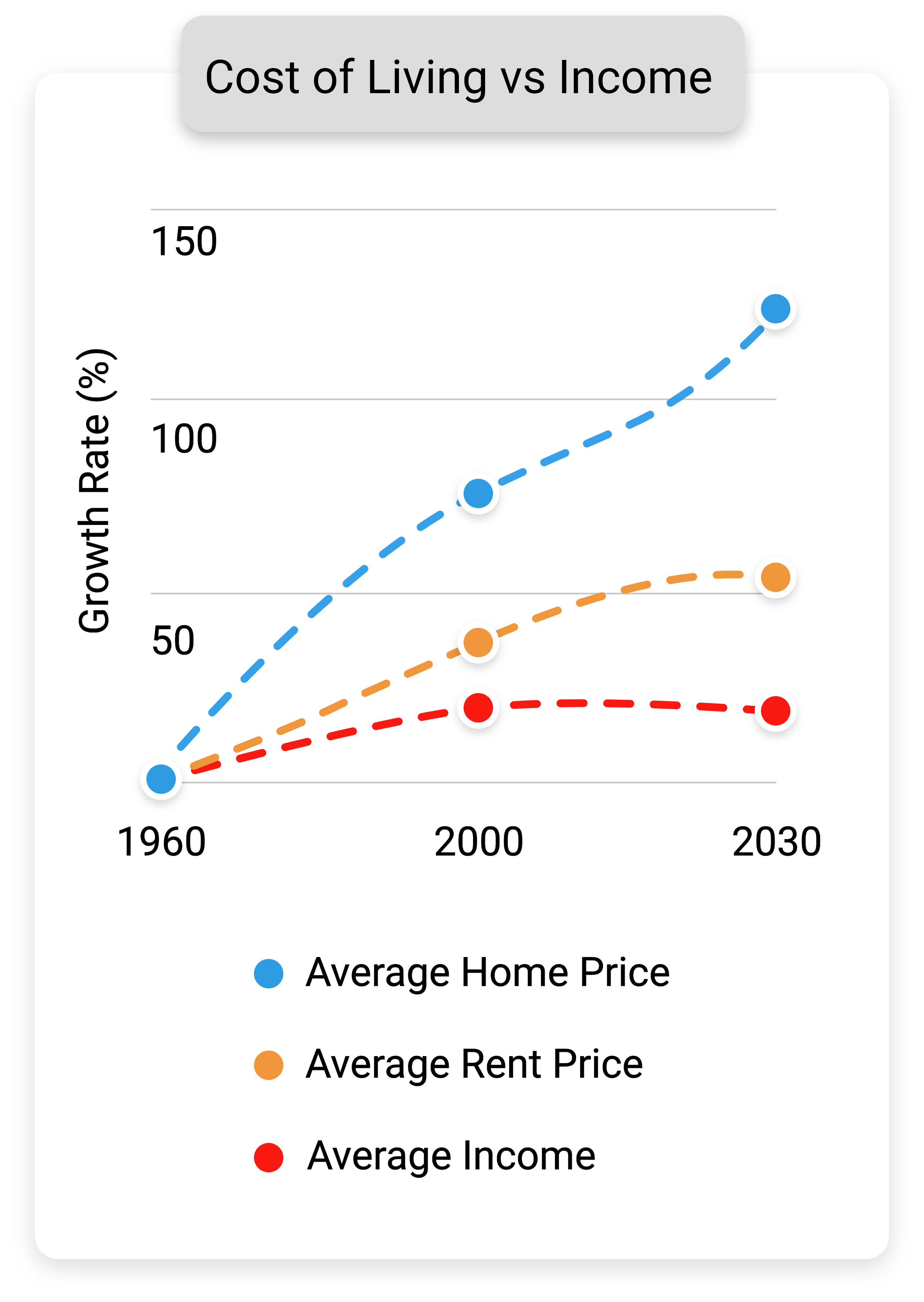
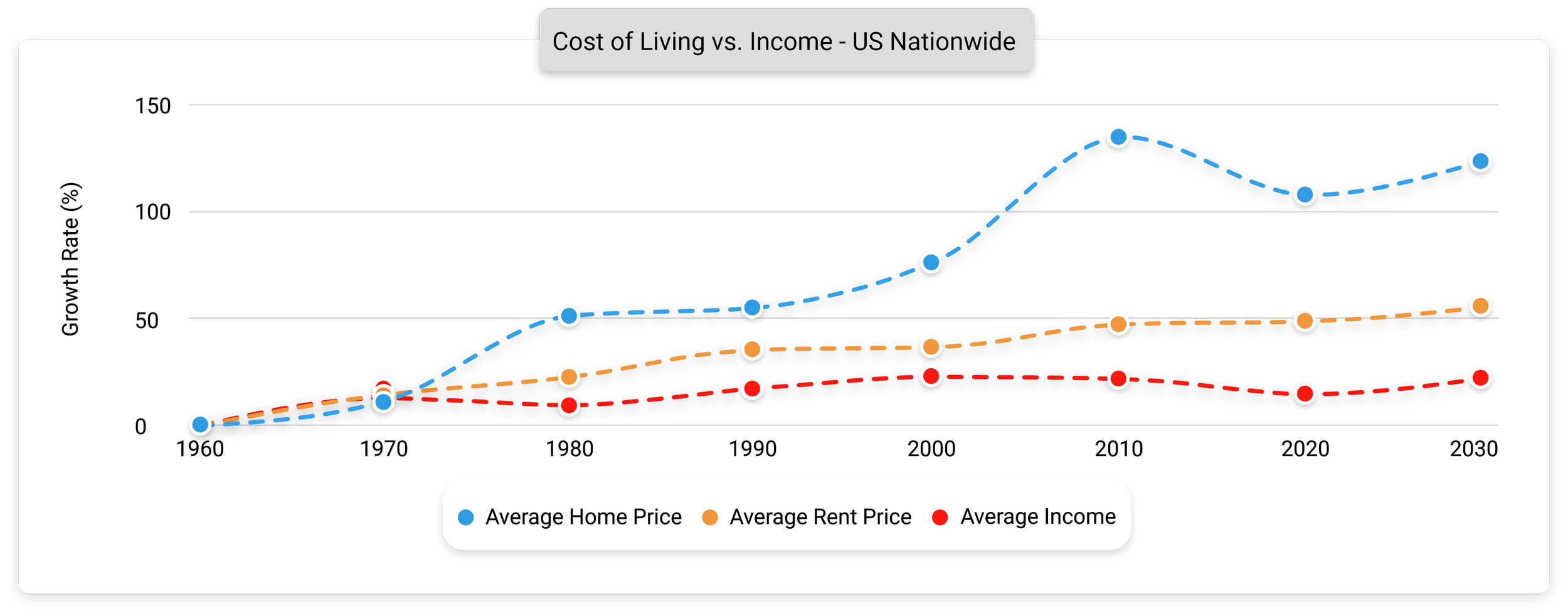
The chart above projects that the gap between the average household income and the average cost of buying a home or renting will widen. From 1960 to 2030, home prices are projected to increase by 120%, rent by over 50%, while average income will grow by only 29%. This concerning trend suggests that it will become increasingly difficult for many people to afford monthly rent, pay their mortgage, or even purchase a home in the first place.
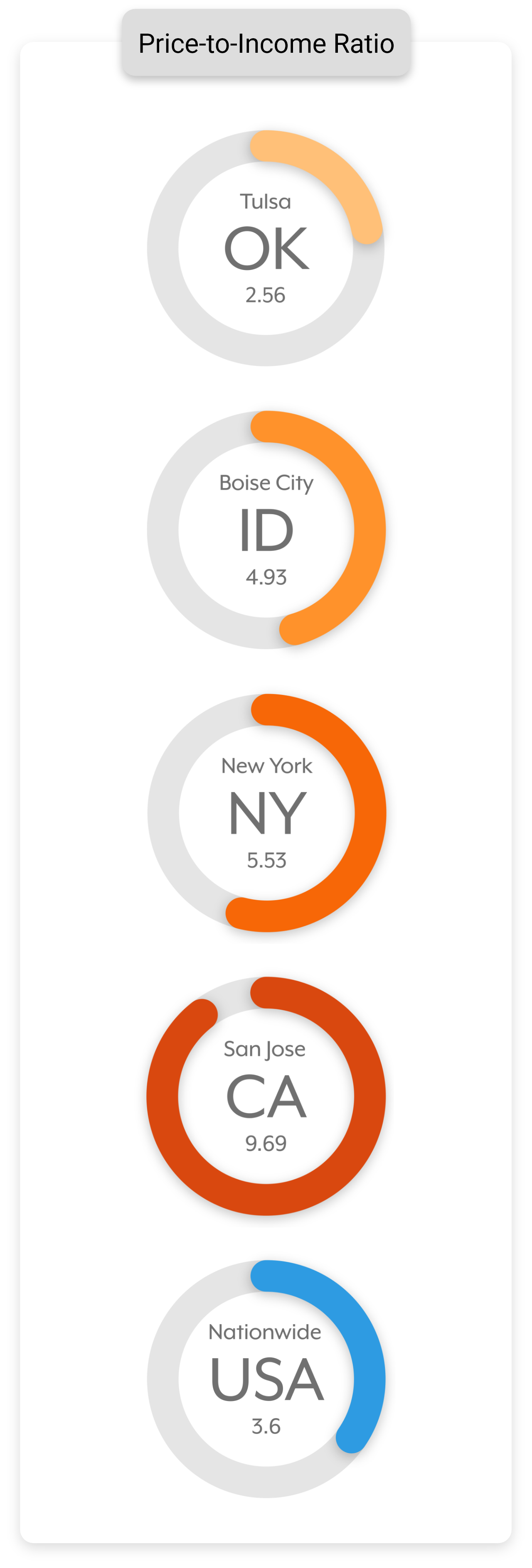
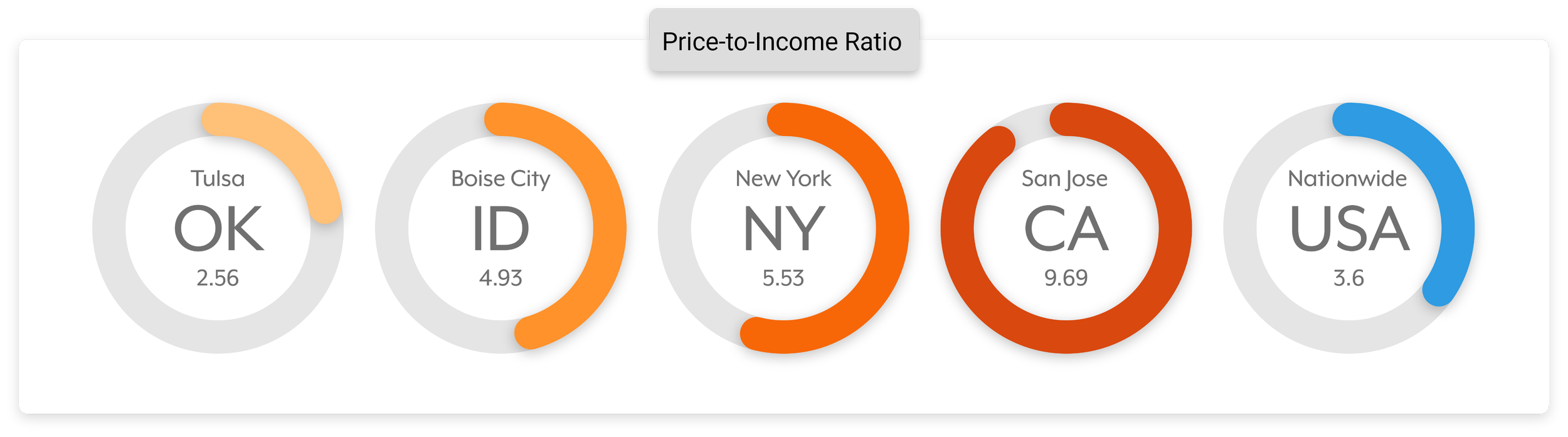
The price-to-income ratio compares housing prices to income across different cities. For instance, a city with a more affordable cost of living or a healthier ratio would have a ratio below 2.6. This means that, based on your household income, you could potentially afford a home in less than 2.6 years. Of the cities provided as examples, only one is slightly below this healthier threshold. Meanwhile, in places like New York or California, it's becoming increasingly difficult to afford a home. The national price-to-income ratio is currently 3.6 and is expected to rise.
Research Informing Design
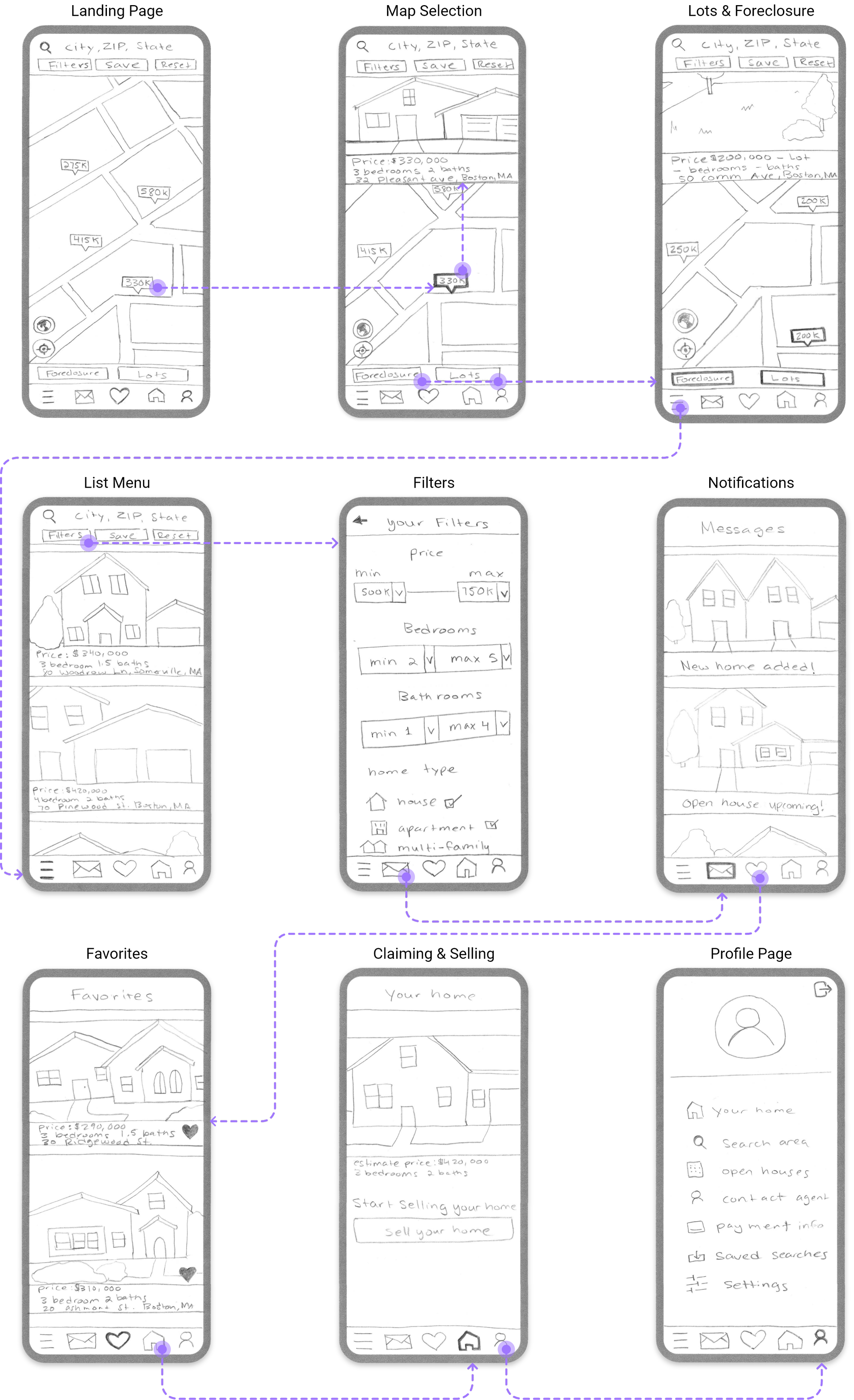
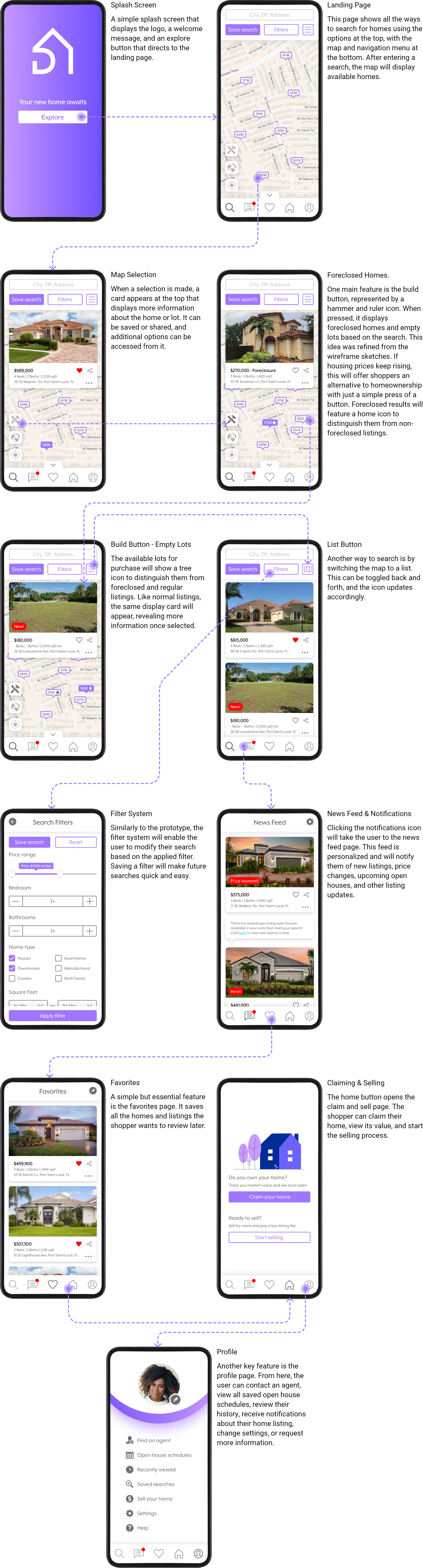
The research highlighted key trends in the housing market, showing that homeownership costs have risen over the decades, particularly as the gap between income and housing prices widens. In response, new features were introduced to assist budget-conscious users in their home search. Key additions include buttons for foreclosures and available lots, as it's often more economical to renovate or build than to purchase from private sellers or realtors. These tools aim to support users as market prices escalate. Features like notifications, favorites, and property management enhance the overall user experience in finding the right home.

Personas
Ashley - Age 38 - Realtor
Ashley, a realtor, is looking to buy a home or apartment where she can live in one part and rent out the rest. She's willing to renovate since many homes in her preferred area, priced between $550,000 and $920,000, exceed her budget. Instead, she's considering purchasing a foreclosure for around $200,000 and allocating up to $150,000 for renovations. She's seeking an app that will simplify her search and comparison of these properties.

Claire - Age 29 - Home shopper
Claire and her husband Daniel are looking to start a family in the future, but they need more space than their apartment can provide. They are looking at homes in neighboring areas, but prices are much too high. They have always been interested in remodeling and building their dream home, and are looking at empty lots and foreclosures. She, along with her husband, is willing to wait and renovate a home if it means saving money.

Logo & Color Scheme
Features
For a more enjoyable experience while using this app, a clean UI system was needed. Many real estate apps will have so much information on screen that the UI will conflict with that information. This can range from pop-up screens overlapping main menu options to cluttered settings. Designing a clean and simple UI was a priority since this will make navigating much more enjoyable and easier. Another priority was designing an app that not only lets one shop, sell, and see what is on the market, but also promotes renovations and building a home. These features were fueled by the research done and the initial low-fidelity prototypes.

What's Next?
Research and needs drove the design for Dwelling, so research and testing will continue to influence the design. The next step is to take the design and test it further with actual buyers, while also monitoring housing market trends. Both needs and research-informed key features of this app, and user testing will push it forward.